
Whoa!
Web3 wallets feel very much like the Wild West today.
DeFi users juggle approvals, gas layers, and unfamiliar UX.
Initially I thought a single wallet could do it all, but after months of testing smart contract flows across multiple chains I realized that tooling must evolve into more opinionated, safer interfaces that simulate and explain interactions before you sign anything.
This article walks through practical dApp integration patterns, protocol risks, and how transaction simulation should shape your wallet choices.
Seriously?
Yes — and here’s why it matters.
Every approval you give to an ERC-20, a permit, or a router could be reused across protocols if you aren’t careful.
On one hand many users want frictionless UX; on the other hand, the attack surface grows with every convenience layer we add.
I’ll be honest: that tension bugs me, because DeFi is both powerful and fragile.
Here’s the thing.
Good dApp integration is not just a prettier connect button.
It means the wallet understands the intent of the interaction and can translate opaque calldata into human decisions.
For example, swapping could be a harmless token exchange or a disguised approval-and-sweep, depending on calldata and the contract’s routing logic, and wallets should surface that distinction clearly to the user.
My instinct said early wallets would get smarter fast. Actually, wait—let me rephrase that: some have, and others lag behind badly.
Hmm…
Let’s break this down practically.
There are three problem categories that matter for most users: instrument risk (the contract you’re calling), permission risk (what allowances you grant), and execution risk (slippage, MEV, front-running).
Each category requires different mitigation patterns at the wallet and dApp layer, and good simulation tooling ties them together in the UX so users can make informed choices, not guesses.
I’m biased toward wallets that simulate before signing; it’s a small extra step that saves headaches.
1) dApp integration: beyond connect and approve
Whoa!
Most dApps still rely on the basic Web3 connect flow: provider.enable, then write to contract.
That flow works, but it’s blind to nuance: it doesn’t teach a user whether the call will move funds, approve allowances, or delegate permissions.
Better integration means the dApp and wallet exchange intent metadata — transaction types, expected effects, and optional simulation hashes — before the user confirms anything, and the wallet uses that to show a plain-language summary and risk score.
On-chain heuristics can be used as fallback, though the tooling is far stronger when the application cooperates.
Really?
Yep — cooperation reduces ambiguity.
One pattern I’ve seen work well is the “dry-run” handshake: the dApp proposes an abstract intent, the wallet runs a simulation (or requests one), and both sides present a common summary to the user.
This approach prevents surprise approvals like “infinite approve then drain” by showing the user the precise allowance change and suggesting safer alternatives such as permit-based approvals or spending caps.
Permit flows are nice, but they’re not universally supported yet.
Okay, so check this out—
Transaction simulation must support stateful sequences.
A single user click often triggers multiple internal transactions: approve, deposit, stake, transfer. Simulating those in sequence, with the correct state assumptions, is non-trivial but essential.
Wallets that only simulate the last call miss emergent behavior where an early approval opens a window for exploitation before the final action completes, especially on crowded L2s and EVM-compatible chains with reorg risk.
Yes, it’s messy. Yes, protocols are trying to fix it. But until then, simulate everything you can.
2) Smart contract interaction: readable intent and failure modes
Whoa!
When you call a smart contract the raw calldata is useless to most humans.
Parsing method signatures, argument semantics, and revert reasons gives users the context they need to decide.
Good wallets decode ABIs, show token amounts with USD equivalents, and highlight unusual behaviors like calls to non-standard proxies, self-destructs, or delegatecalls to unknown modules.
Something felt off about many UIs that hide gas and fee flows — they present one number but omit the path.
On one hand, users don’t want to be overwhelmed by raw gas math; though actually, simplifying too much creates blindspots where a nominally small fee masks multiple micro-transactions or failed retries.
So a layered display works best: a single headline fee plus an expandable breakdown for power users — and that balance is what separates wallet experiences.
I’m not 100% sure every user needs an engineer’s view, but power users certainly do.
Wallets should offer a “detailed mode” that exposes calldata, call graph, and pre/post-state diffs for advanced inspection, while keeping the default simple and clear.
Some will call that feature overkill; others will thank you when it prevents catastrophe.
3) DeFi protocol risks and mitigations
Whoa!
Protocols vary wildly in trust assumptions: automated market makers, lending pools, yield aggregators, and perpetuals all have different failure modes.
Risk-aware wallets tag contracts by risk profile: audited, timelocked, multisig-governed, or freshly deployed with unknown owners.
Those tags should be surfaced during integration so a user deciding to deposit can weigh protocol maturity, insurance coverage, and expected yield against possible smart contract or governance exploits.
I’m biased, but yield alone is a terrible metric to chase.
Yield without a read on counterparty and contract risk is like buying a car because it looks fast, not because it has brakes.
Wallets that integrate third-party risk feeds, exploit history, and social signals (e.g., multisig signers with known reputations) help users make smarter decisions; again, simulate interactions to show possible failure scenarios like insolvency cascades or liquidation loops.
Oh, and by the way, manual monitoring of approvals is still a sane practice: periodically revoke allowances you don’t need.
4) UX patterns that reduce errors
Whoa!
Microcopy matters.
Clear verbs like “Permit token X to spend 10,000” beat cryptic transaction names by a mile.
Transaction simulation enables inline warnings: “This call will increase allowance to MAX. Confirm only if you trust the counterparty.”
Here’s a small mental model that helps many users: ask “Who can move my funds?” and “What sequence makes that possible?”
Wallet UIs that force you to answer those two questions before signing dramatically lower accidental losses.
Also, progressive disclosure helps — surface minimal info first, then let power users expand the simulation and inspect the call graph or revert histories.
Somethin’ about that layered reveal feels like good product design, and it’s what separates polished wallets from hacksaw UX.
Where a wallet like rabby fits in
Whoa!
Tools that emphasize transaction simulation and intent decoding act as a second opinion between the dApp and the user.
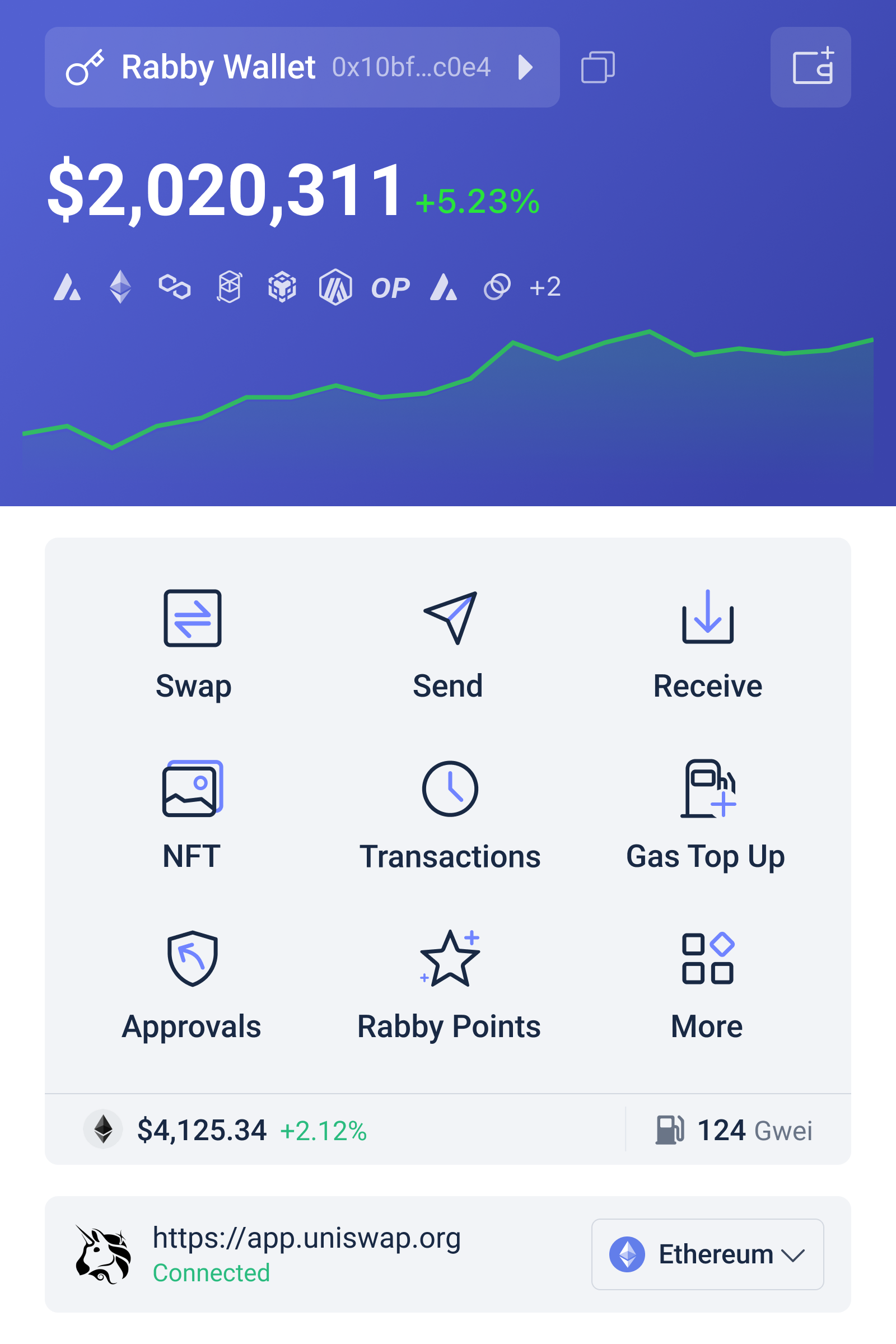
Rabby (and similar wallets) are built around surfacing approvals, simulating transactions, and offering clear UI affordances for revoking permissions and splitting complex flows into explicit steps.
In practice that means fewer surprise drains, fewer accidental infinite approvals, and clearer visibility into what a given smart contract will actually do.
I’m not saying one wallet solves everything.
Choice still matters: cross-chain coverage, plugin ecosystems, and open-source reviewability are important too.
But if you prioritize safety and clarity, pick a wallet that gives you a readable intent, a simulation, and a clear revoke flow out of the box.
That habit alone reduces the most common user losses I’ve seen in the last two years.
Practical checklist for power users
Whoa!
Before you sign, run this mental checklist each time:
1) Does the wallet present a plain-language summary of the transaction? 2) Is an allowance change visible and limited? 3) Does the simulation show success conditions and state changes? 4) Are on-chain contracts tagged with risk metadata? 5) Is there a revert or slippage preview?
Make revoking allowances part of your routine — and automate what you can with time-limited approvals when available.
Okay, quick actionable tip —
Use simulation to test “what-if” scenarios: failing mid-sequence, partial fills, and gas spikes.
Those scenarios reveal edge cases like locked funds in a deposit contract or unintended token burns that you’d otherwise only discover after losing funds.
It’s not sexy work, but it saves money. very very important.
FAQ — common questions about simulation and dApp safety
Q: What exactly does transaction simulation do?
A: Simulation runs the proposed transaction (or sequence) on a sandbox of current chain state to show outcomes, gas estimates, token movements, and potential reverts. It helps reveal hidden side-effects before you sign.
Q: Can a simulation protect me from every exploit?
A: No. Simulation reduces many common surprises, but it can’t predict governance attacks, private key compromises, or exploits that depend on off-chain or future state changes. It does, however, catch most immediate calldata-driven shocks.
Q: Should I always revoke approvals after using a dApp?
A: As a rule, yes — revoke or limit approvals when possible. For frequent, trusted interactions you can use capped allowances or permit-style approvals. I admit I don’t always revoke immediately, but I try to for big sums.





Recent Comments